
Beatriz González Sold Her Art by the MetER in 1981. I Acquired a Piece of Her World Through a Cleverly Made Fan.
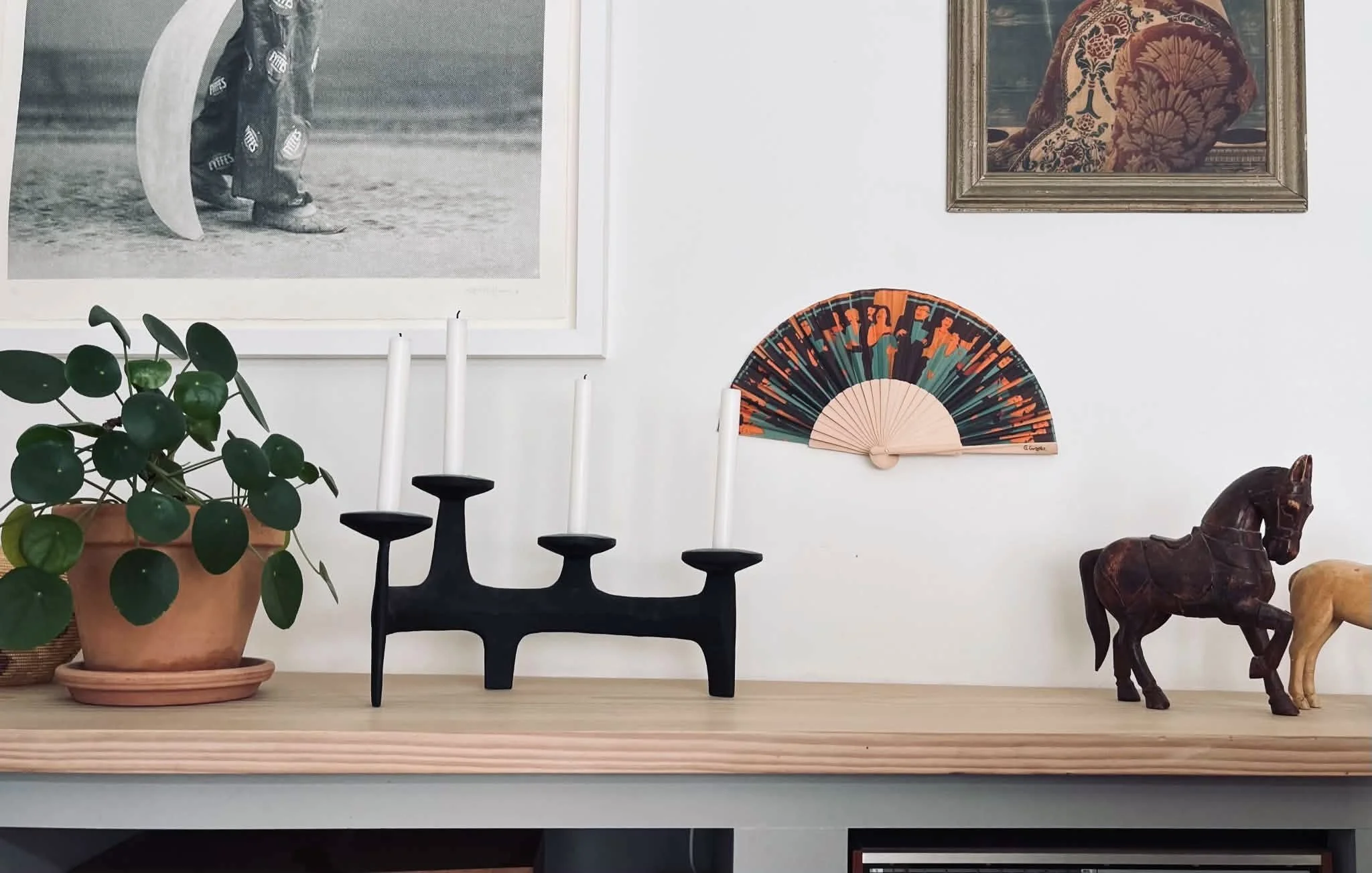
This fieldnote is about my love for beautiful and unexpected museum souvenirs, storytelling, world building, taking a piece of that world home - and of course, the fun part - the business of it.
It is about thoughtful, and in this case clever ideas, presenting an extended perspective of an exhibition beyond the exhibition walls. Objects not to be confused with low-margin, high-volume merch. I am talking about a product category which has the potential of creating a different type of long-term value, if done right. Objects sparking excitement and interest, easily becoming topic of conversation. In my case, an unavoidable transaction in the final hour of a museum visit — just like the entry ticket a couple of hours earlier.
Courtesy of Astrup Fearnley Museum
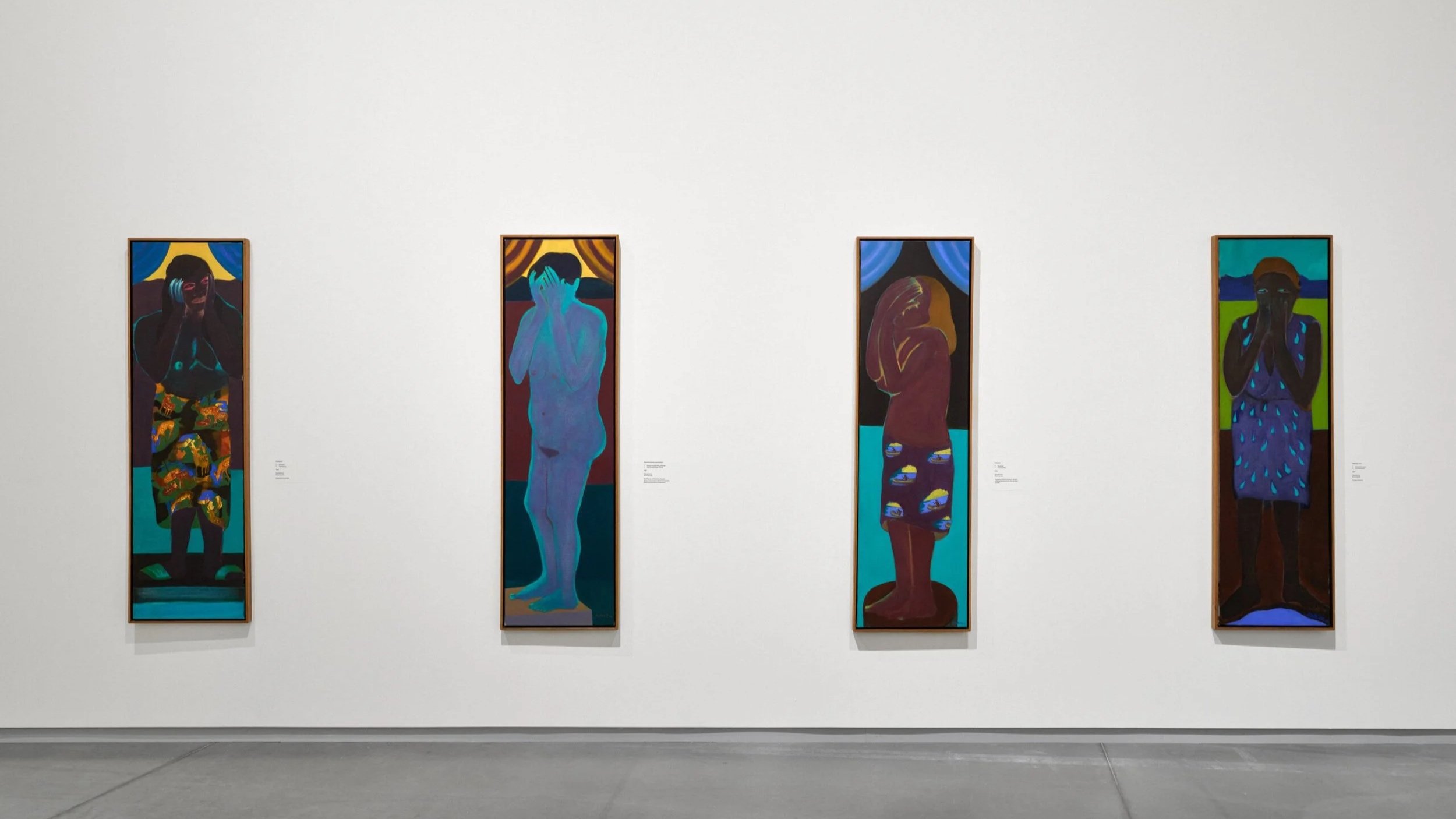
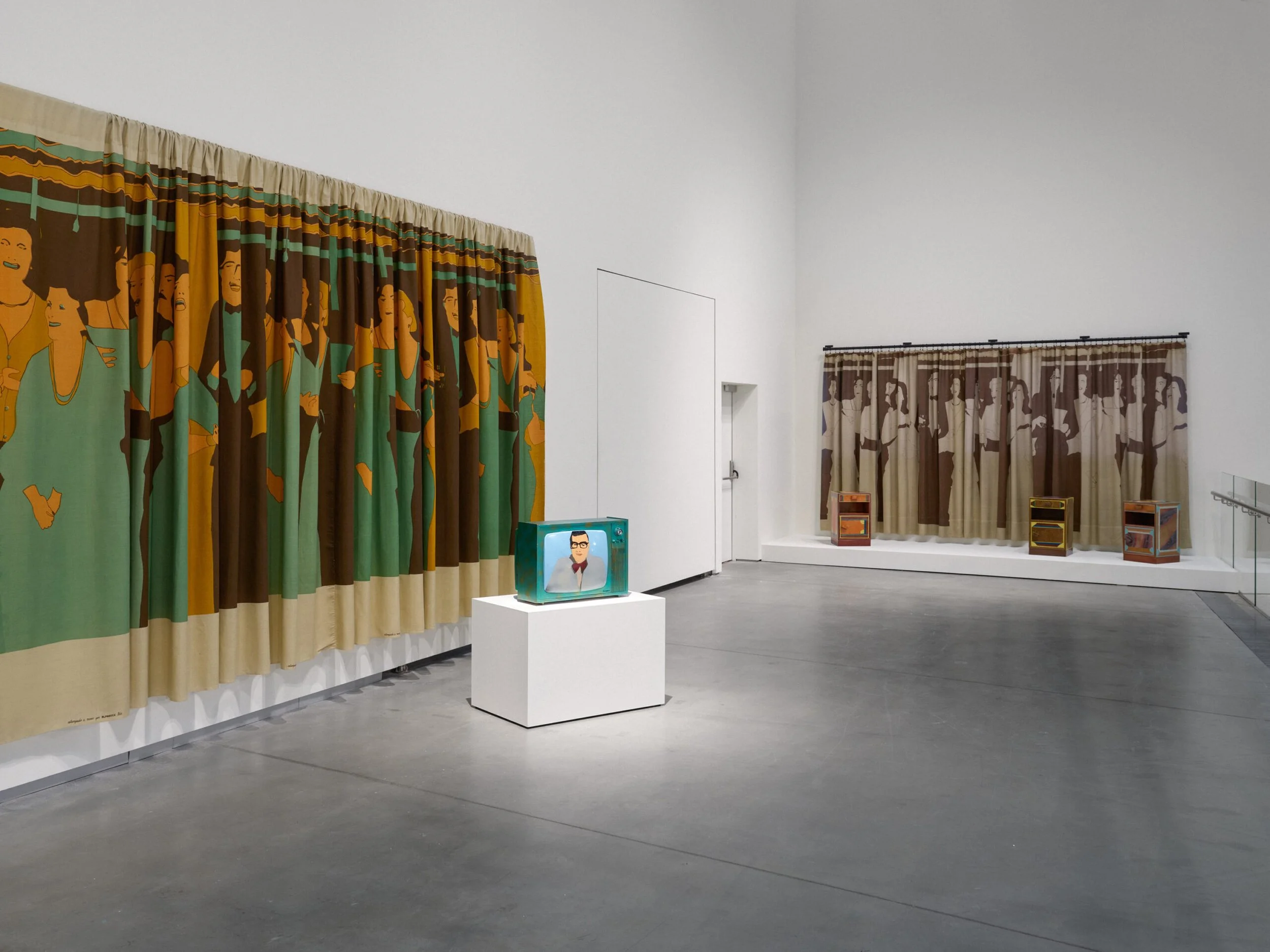
A few weeks ago I visited the Beatriz González (1932–2026) retrospective at the Astrup Fearnley museum here in Oslo. González was a Colombian artist who documented and re-told Colombia's brutal history through her layered and experimental art. I arrived knowing little, but her colourful and rich work drew me in, and told an intense story of injustice.
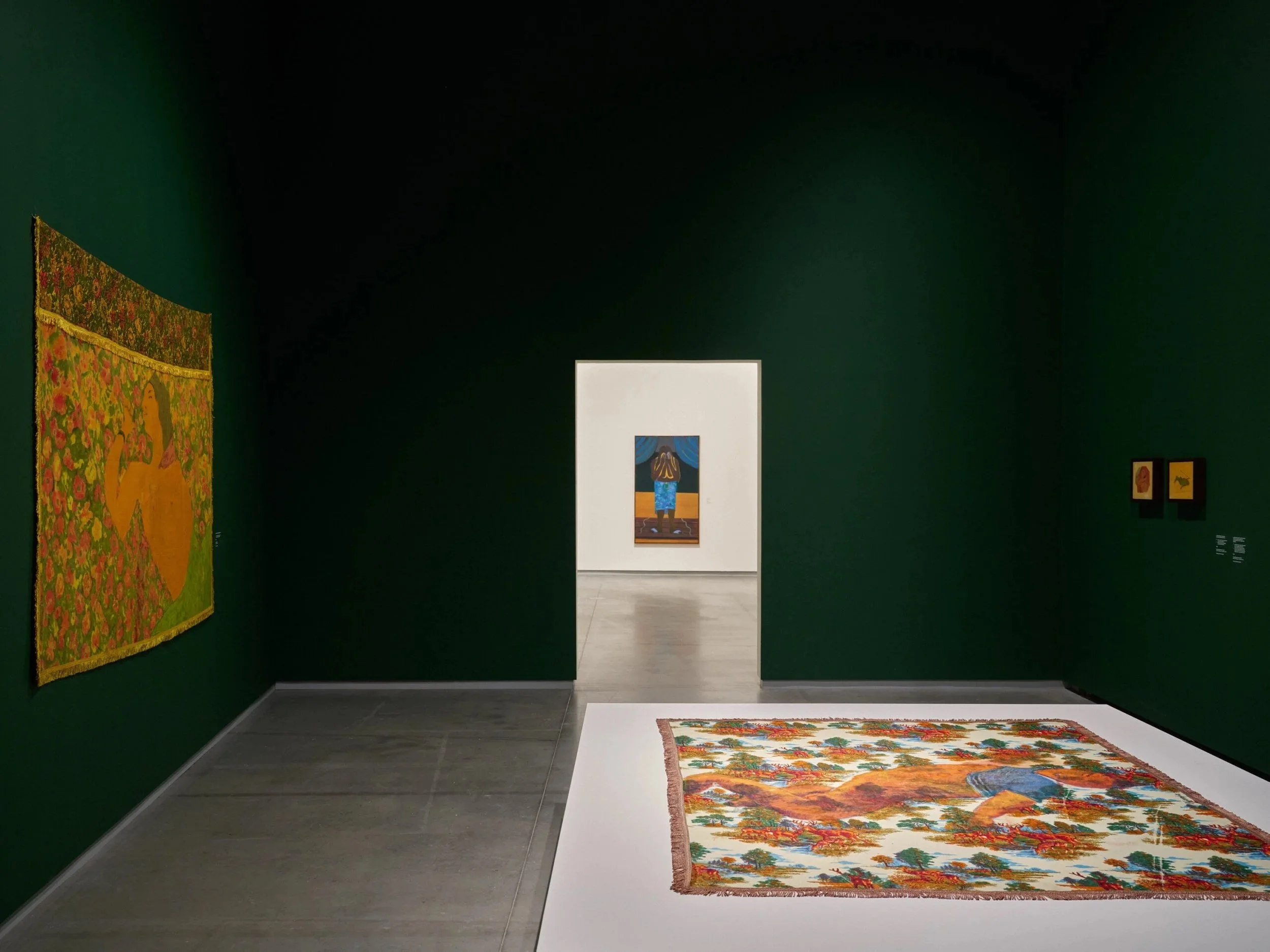
In 1981, a provocative photo from a news article displaying Colombias then-president Turbay at a party whilst the country was suffering, inspired the 140 meter silkscreen “Decoración de interiores”. As a satiric comment on the absurdity of the image, González sold it by the metre, and made a proposition that a serious image flashing power and glamour could also live in someone's living room as decor. Forty-five years later, the museum shop is pulling on the same idea. This time, through a fan.
Courtesy of Astrup Fearnley Museum
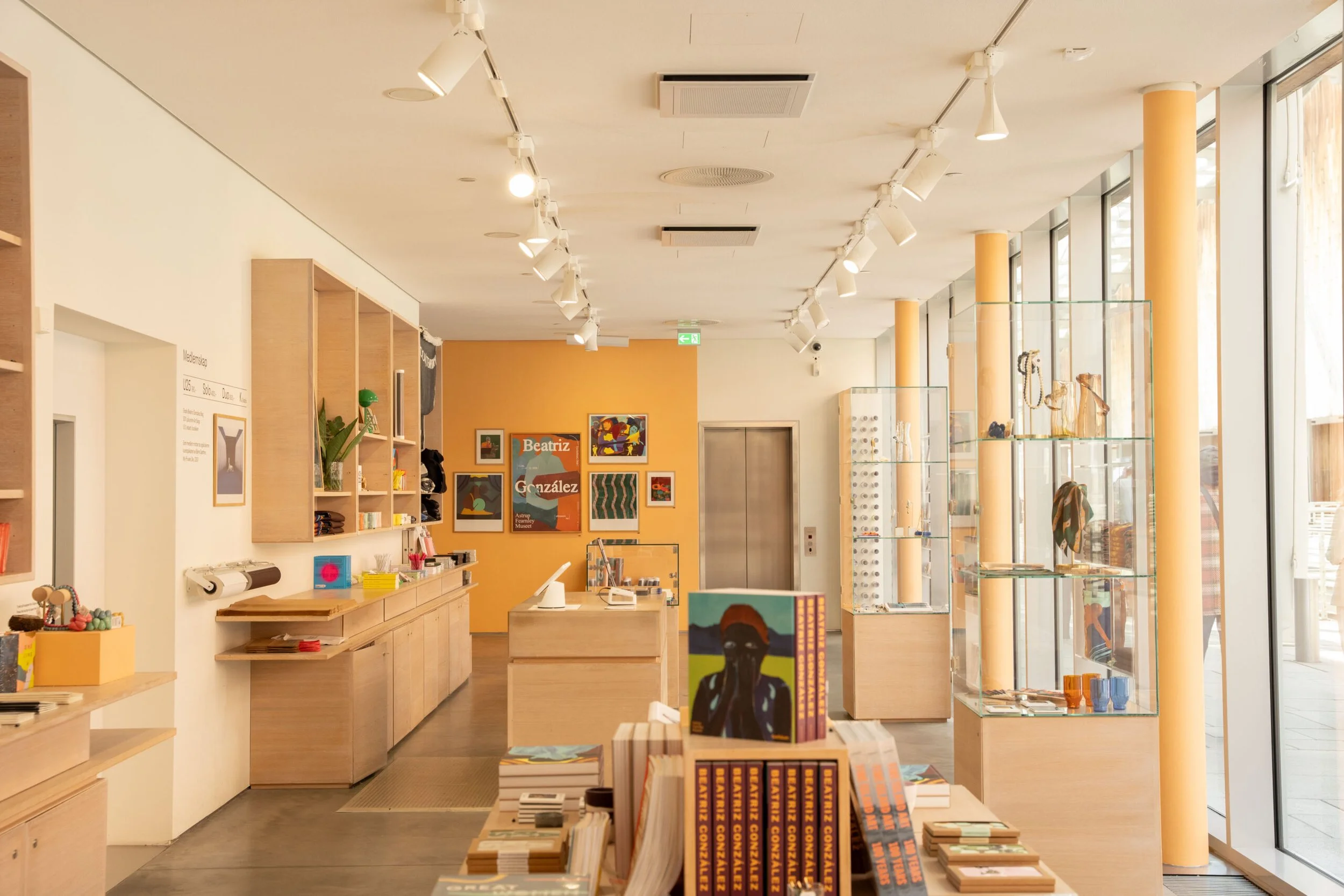
The museum shop, the cultural anthropologist Sharon Macdonald once wrote, is "the grand finale, the final exhibit of the show". The museum shop at Astrup Fernley knows this, and does it with elegance. It's a space I always enjoy entering, because I know I will be surprised by someone who thoughtfully understood the (creative) assignment. A final space offering a piece of the story for me to keep.
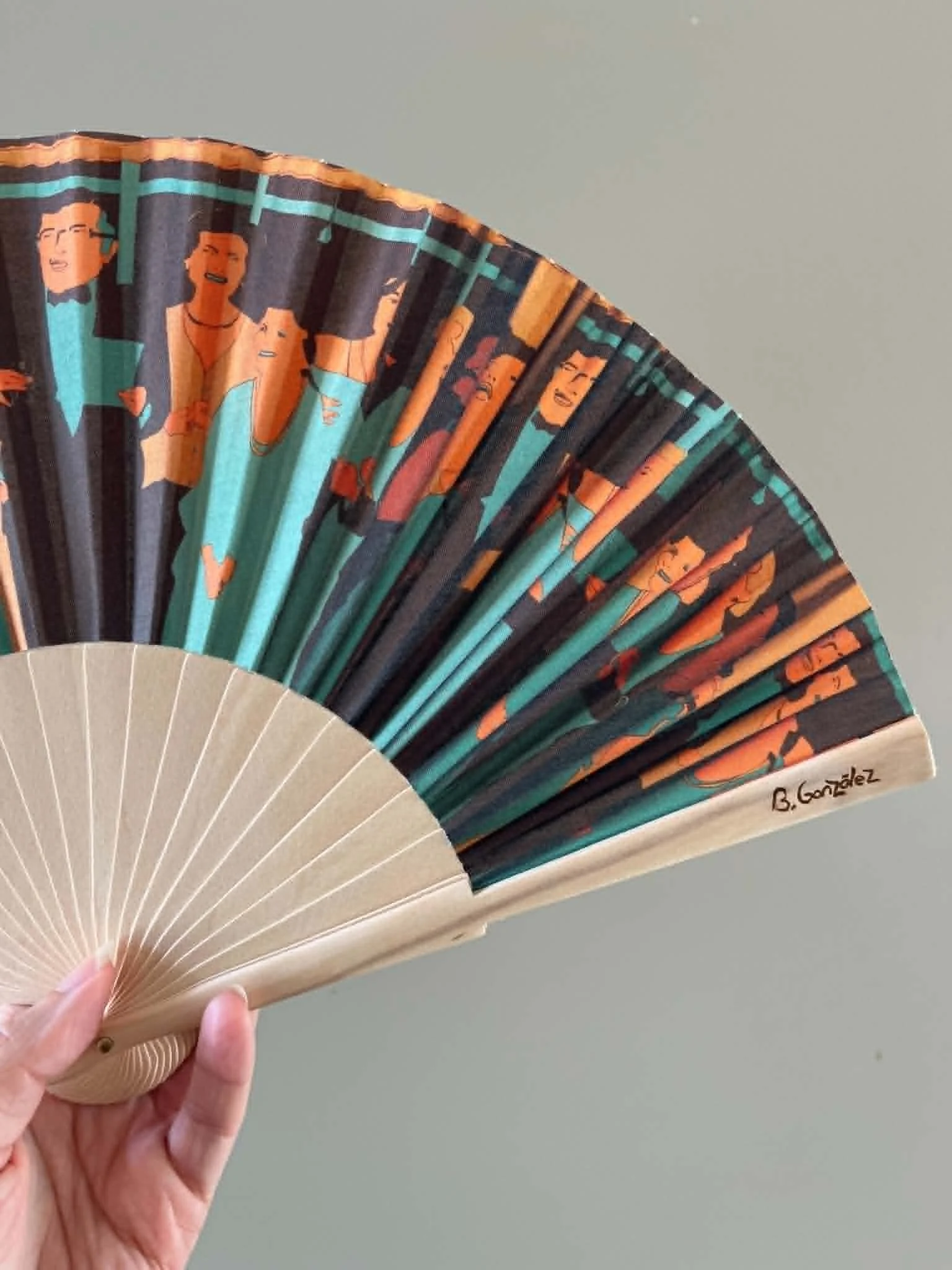
The fan - now living in my own little universe, feels like a natural, but unexpected extension of González artistic commentaries. The draping reference is just clever and made me smile. In short, it made me stop and feel something - and by the time I stood at the till, it was an obvious investment and completion of the story. A story and emotional investment Astrup Fearnley had spent the entire visit building. Which will continue on as a natural talking point in my living room, with the art of Beatriz Gonzáles at the centre of the conversation.
None of this works though, if the fan stands alone. It is a more costly, desirable object at the top of a much larger, much less glamorous pyramid of postcards, posters and totes. This quiet, low-margin work is what gives the fan wings, and I appreciate a museum who understands how to balance both categories, both doing very different jobs.
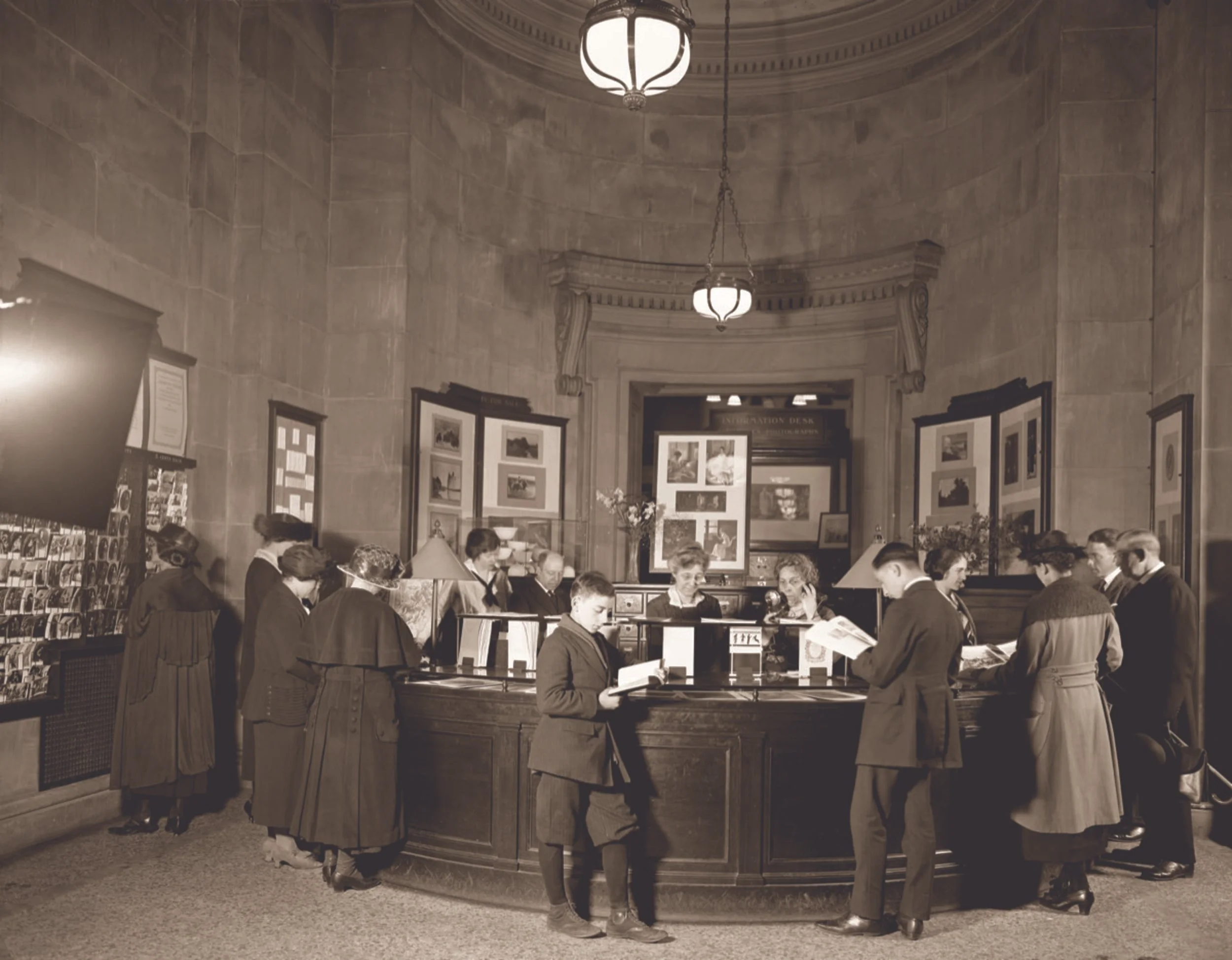
Sidenote from my research: The image below shows The Mets museum shop, photographed in 1921. Some things dont change, like the love of a good museum shop <3
Courtesy of The Metropolitan Museum of Art
The Beatriz González exhibition runs till October 11th. An obvious recommend!
Mari
