
How Prada Rong Zhai in Shanghai Drew Me Into a Tête-Bêche Rabbit Hole and Made My Business Heart Swell
Courtesy of Prada Fondazione
It started, as these rabbit holes often do, with a random internet encounter sparking joy and a curious interest.
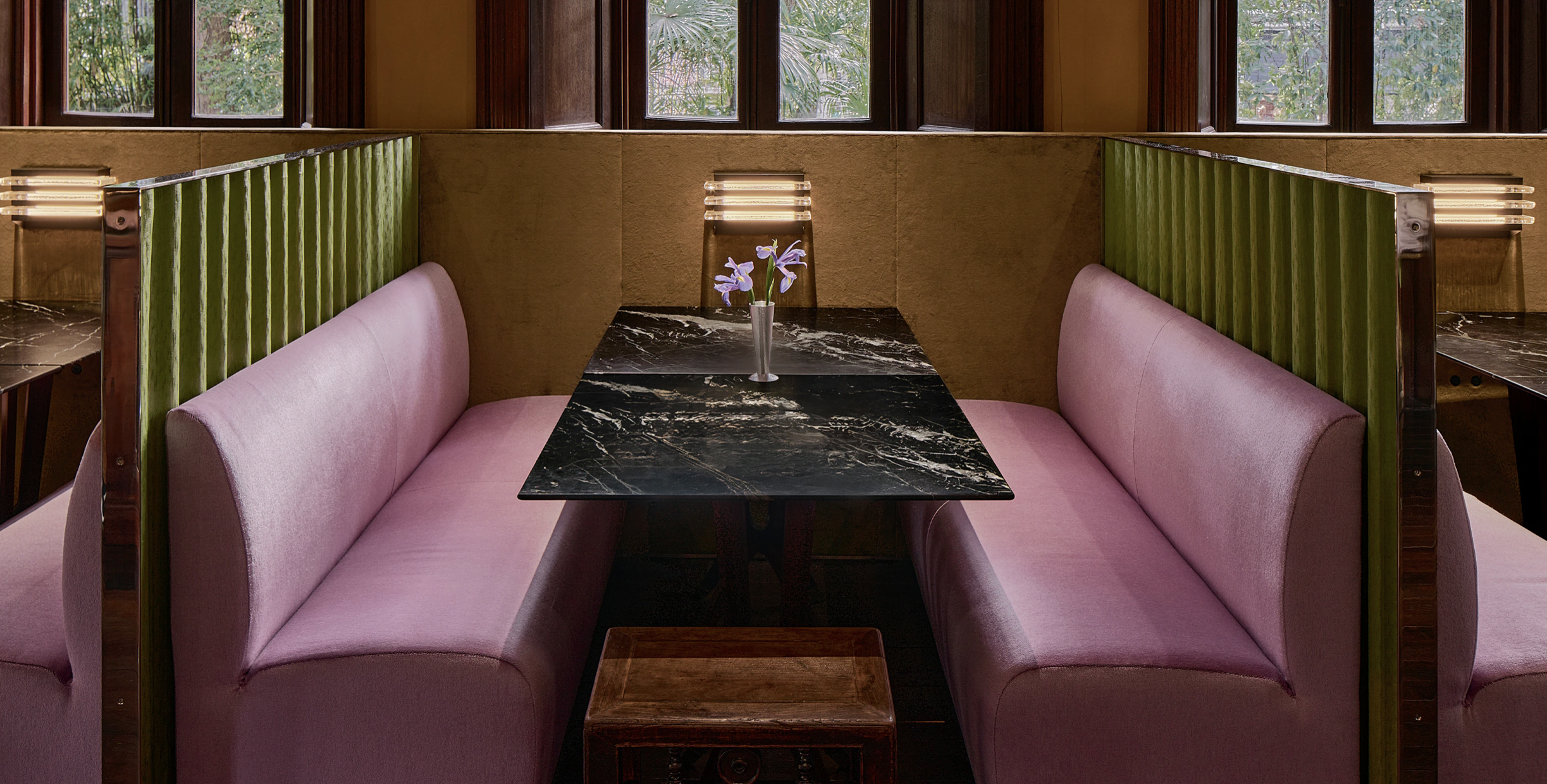
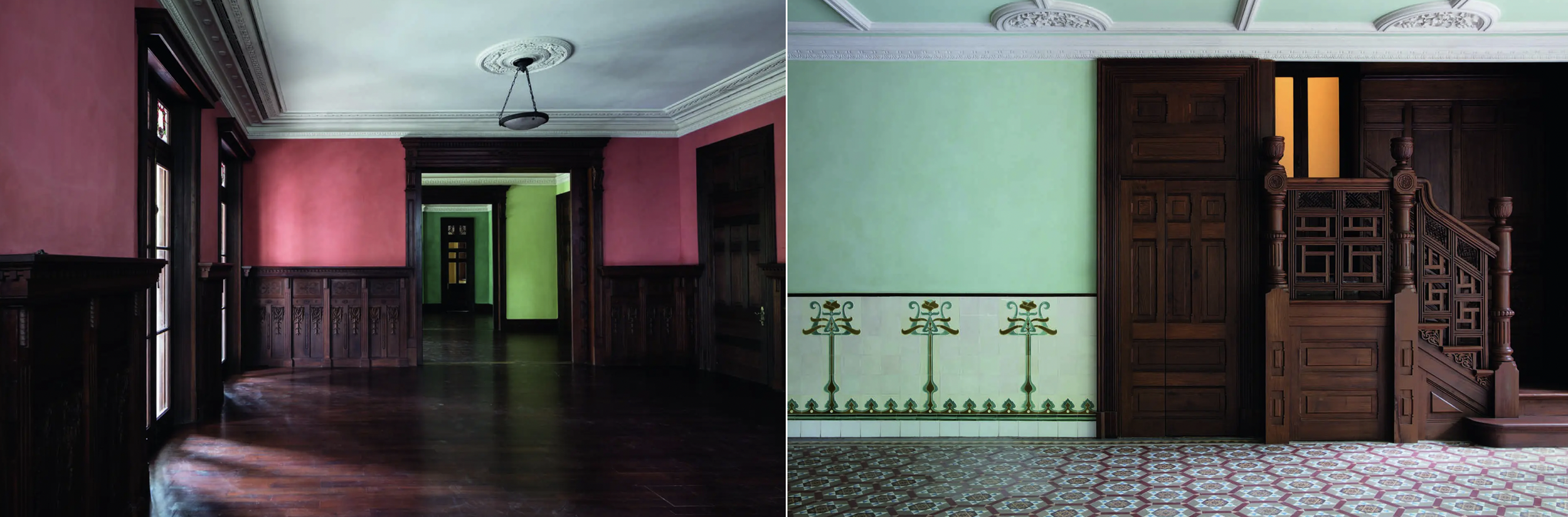
Mi Shang Prada Rong Zhai is a restaurant, café, study, library, and bi-annual exhibition space in Shanghai, restored and developed by Prada Group and Fondazione Prada (Prada’s non-profit museum and research institution in Milan), designed by the Hong Kong based, Shanghai born filmmaker Wong Kar Wai.
With a conceptual and cinematic eye, Kar Wai cleverly mirrors Milan against Shanghai, through the lens of his movie from 2000 In the Mood for Love. He refers to his design approach as tête-bêche. This is where my rabbit hole begins.
Tête-bêche is a French term for a pair of stamps printed head-to-tail, a mirroring accident of the press that collectors love. Kar Wai took this century-old printing quirk and built a cinematic world and design approach around it.
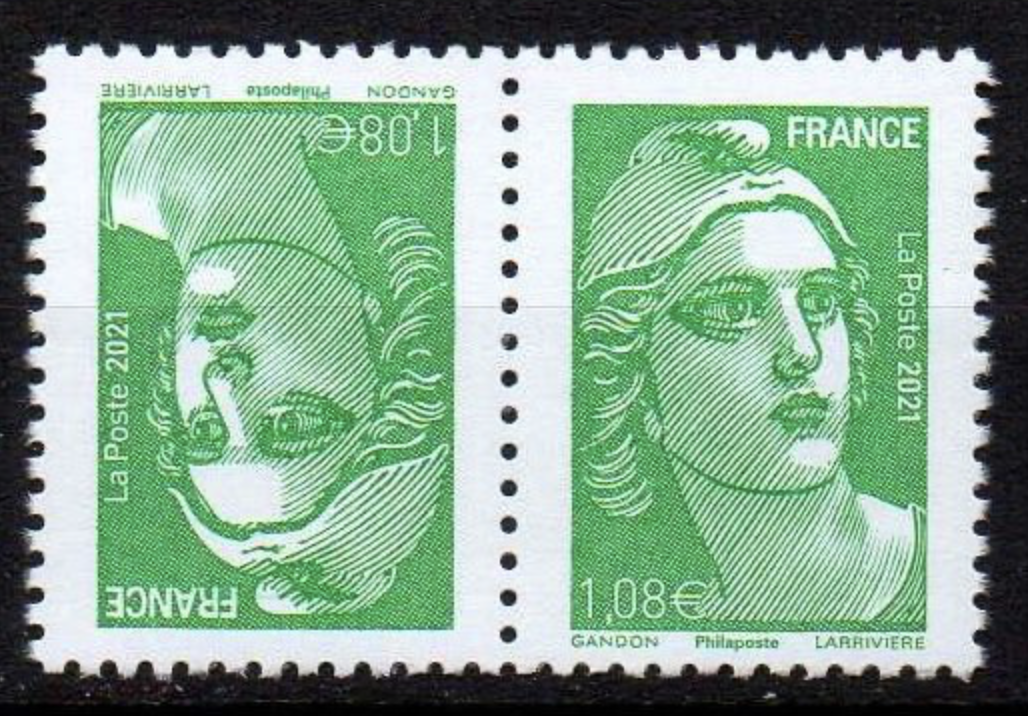
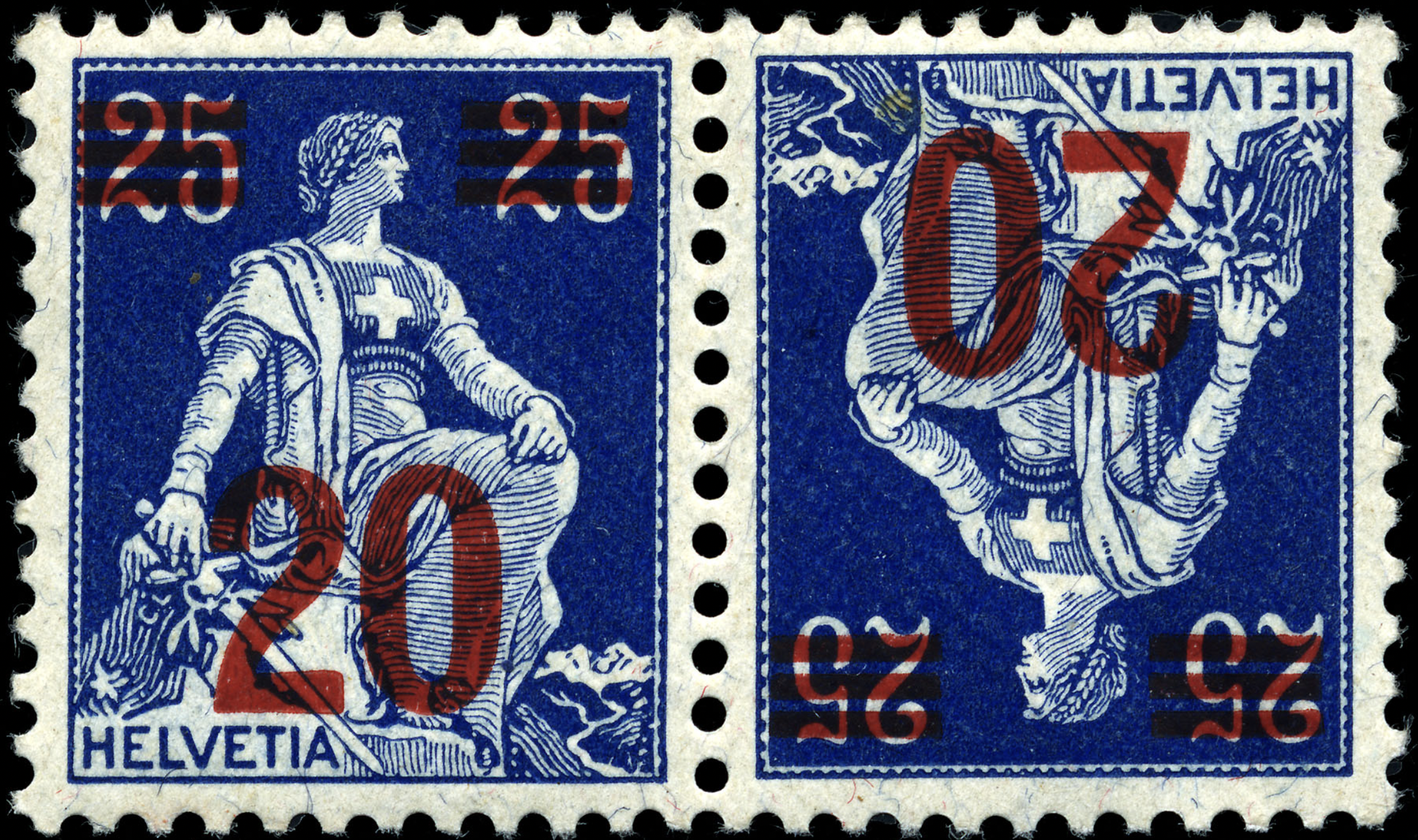
This mirroring logic runs down to the menu (ravioli with Chinese ingredients, duck breast with citrus) and even the craftsmanship (Milanese restoration technique, Chinese materials and masters). The cultural exchange runs in both directions, which I find rare.
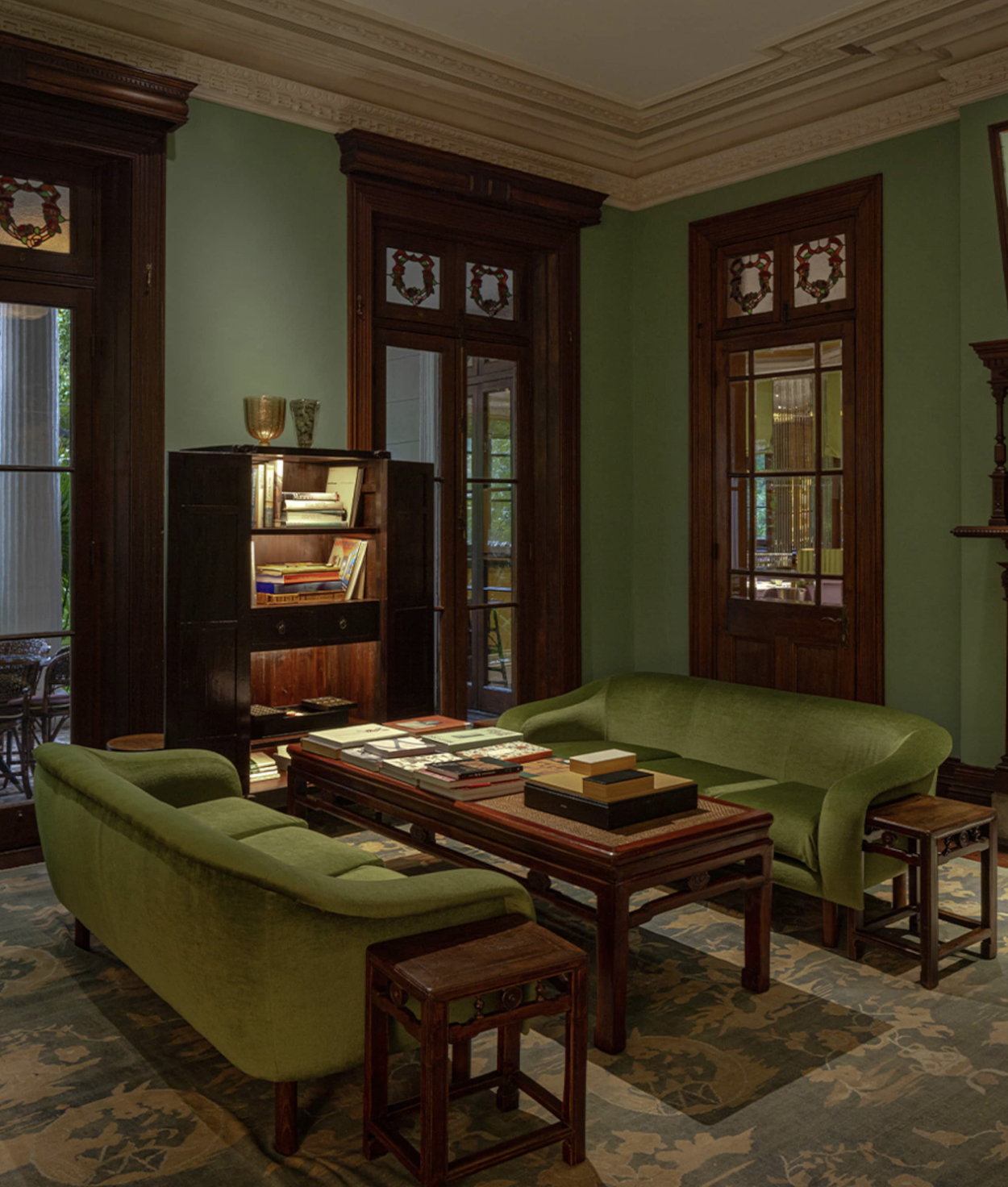
A study, a library, and a biannual run of exhibitions exist under Fondazione Prada's own research mission, anchored to its Milan and Venice sites, but mirrored east. Artistic commissions, public conversations, and rooms for learning, alongside dining experiences. The mansion still behaving like the house it was in 1918, a place built to be lived and thought in, not only visited. The mirroring just makes sense.
Courtesy of Prada Fondazione
Rabbit holes - tracing unexpected references and unwrapping ideas and cultural moments, is a hobby that keeps on giving, and Prada Rong Zhai is proof that no idea is ever really new. It's a multifaceted layer laid over other layers - cross-border, discipline and time. And on its own, very much likely a new source of reference in turn.
But I'd be doing the project a disservice if I stopped at conceptual admiration. This isn‘t just cultural exchange. It's a commercial strategy too. Honestly, this is where my business heart swells. Underneath lasting cultural value is a very deliberate commercial architecture. A decade-long restoration and investment buys Prada real cultural depth and capital, in an attractive market where most logo-driven, Western luxury brands rarely claim the same.
A permanent venue with rotating exhibitions and a name-drop chef generates a stream of content no seasonal campaign can match. Every reservation and registration is a name and a spend pattern, a new or deepened Prada relation.
Courtesy of Prada Fondazione
This is patient capital. Prada Group is roughly 80% family-controlled through Prada Holding, which is precisely why a decade-long payback horizon with a fuzzy return on investment is survivable in a way it wouldn’t be for a purely quarterly driven public company.
The risk (worth taking?): heritage buildings carry conservation costs forever, and a substantial share of the current cultural value proposition is tied to one director’s involvement. And lastly, the political landscape in China could quite possibly shift faster than a ten-year investment horizon can adjust to.
One can also question: how much of this is genuine cultural stewardship versus very sophisticated soft power dressed as heritage? When a foreign fashion house restores a piece of a city's history more carefully than the city might have itself — who does that history belong to afterward?
This is still a fine tête-bêche initiative (new term alert!) in my opinion - a cultural and commercial strategy by Prada where both sides are real, both mirroring each other.
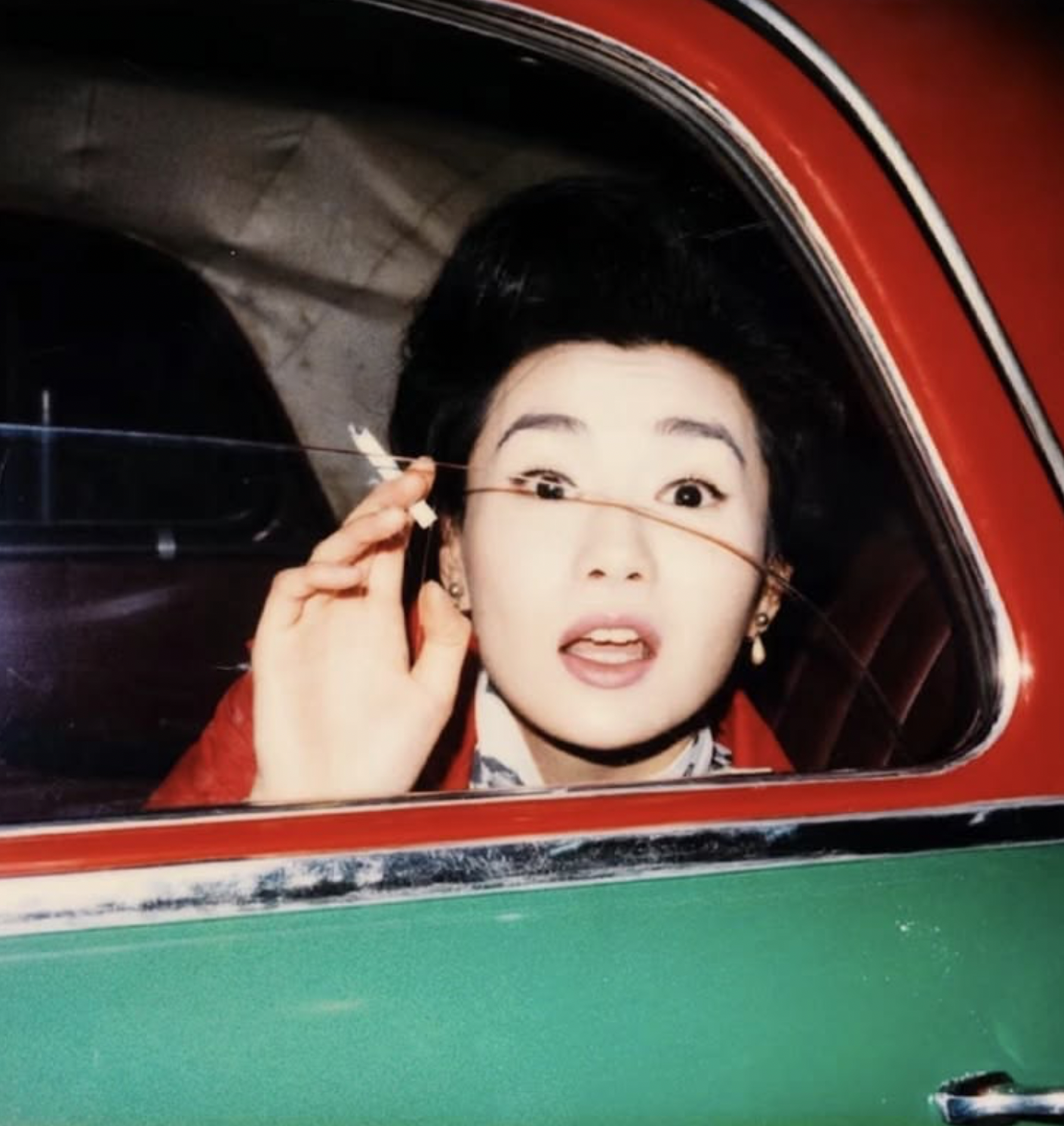
Still from In the Mood for Love, 2000 by Wong Kar Wai
The rabbit hole doesn’t stop on my end: I'm streaming In the Mood for Love tonight. And Prada will naturally be at the back of my mind the whole 2 hours. Clever, Prada!
